
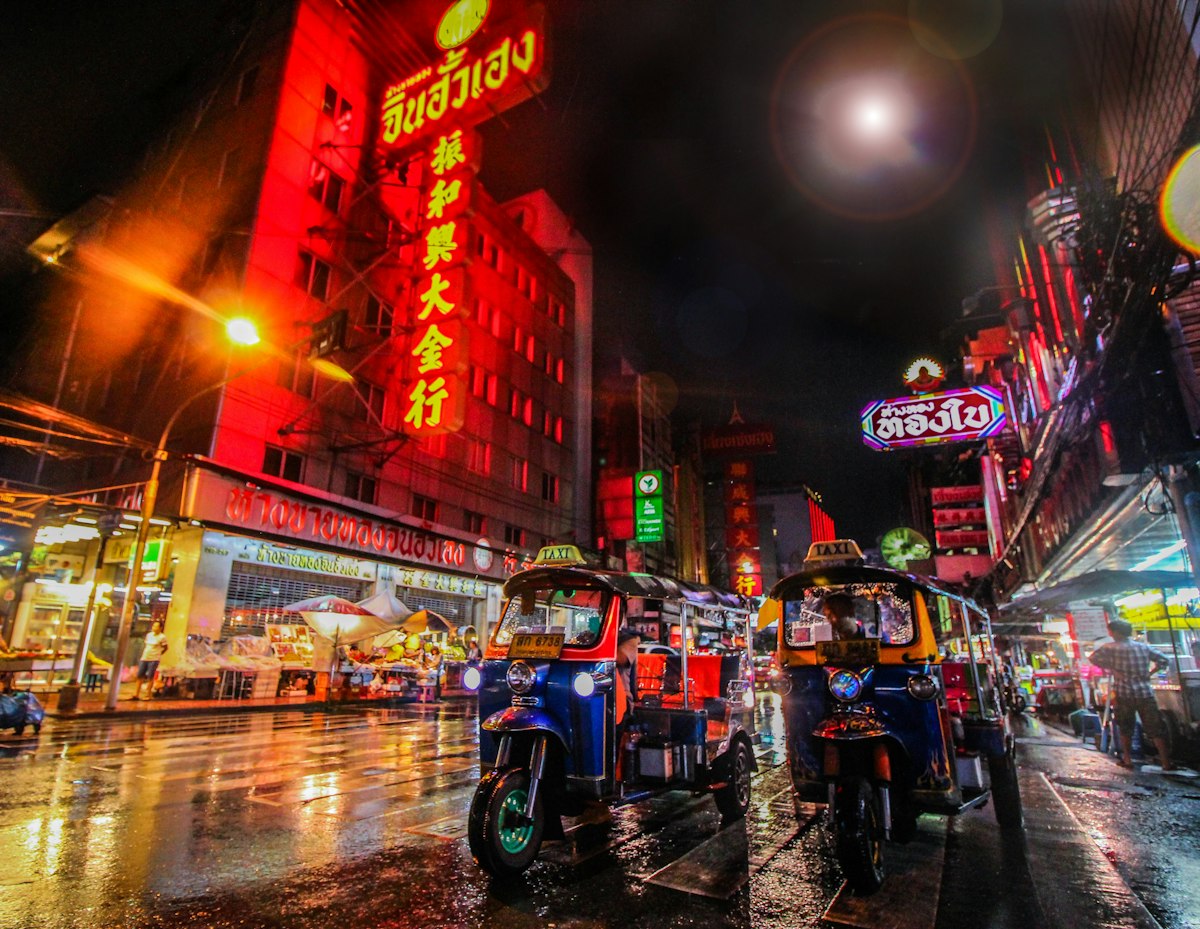
Bangkok rewards practical thinking. This is a city where a hotel two streets from a BTS station can be more valuable than a prettier property in the wrong spot. Traffic turns maps into fiction, the weather encourages strategic movement, and each district carries its own tempo. The smartest Bangkok accommodation is not just comfortable. It fits the way you plan to move.
Sukhumvit is the all-rounder
Sukhumvit works for many first-time visitors because it gives options. You have BTS access, malls, restaurants, cafés, nightlife, and a huge range of hotels in Bangkok from serviced apartments to polished high-rise chains. Stay near stations such as Asok, Phrom Phong, or Thong Lo and the city becomes much easier to manage. You can reach shopping areas, transfer lines, and dinner neighborhoods without making every outing a negotiation with traffic.
The district is broad, though, and not every Sukhumvit hotel is equally convenient. A property on a long soi can feel isolated in the heat, especially if you are not keen on relying on taxis for the last leg. Check the actual walking route, not just the postal address.
Silom and Sathon for business and after-dark energy
Silom sits at an interesting intersection of office towers, food streets, and nightlife. It suits travelers mixing work with leisure and anyone who wants access to both BTS and MRT lines. Nearby Sathon feels slightly calmer and often more polished, with strong business hotels and several excellent dining options. Bangkok city centre hotels in this part of town make sense if your days include meetings, rooftop drinks, and quick movement across the city.
Old Town and the riverside for temples and character
If your dream Bangkok trip is built around Wat Pho, the Grand Palace, canals, and older shophouse streets, Old Town deserves serious thought. Budget and mid-range stays here can be rewarding, and the area has far more character than many generic central districts. The cost is transport convenience. You will need ferries, taxis, or longer transfers to reach modern shopping and some nightlife zones. For travelers who value atmosphere over speed, that is acceptable. For everyone else, it can become tiring.

Hotels near BTS usually pay off
When in doubt, lean toward hotels near BTS or MRT access. Bangkok is large, hot, and busy, and rail connections reduce daily friction. This does not mean every stay must be beside a platform, but being within a short, realistic walk can make a huge difference. The best-value hotel in the wrong place may cost more in time and transport than a better-located one with a higher nightly rate.
This is particularly true for short city breaks, when you want to move quickly between neighborhoods, maybe return to shower before dinner, and still have energy for an evening out. Bangkok can be exhausting in the most enjoyable way. A strategically placed hotel keeps it from becoming tiring in the wrong way.
Rooftop bars, pools, and the small luxuries that matter
One of Bangkok’s pleasures is staying high above the street. Rooftop bars, skyline pools, and tower views are not just marketing flourishes here; they can genuinely improve the rhythm of the trip. The city is intense at ground level. Returning to a quiet room above it all, or ending the evening with a drink looking across the towers, feels earned.
That said, do not overpay for a rooftop feature you may barely use. If your real plan is early temple visits, floating-market day trips, and late-night food runs, location and transport will matter more than a dramatic infinity pool. The best Bangkok accommodation balances those little luxuries with practical ease.
How to choose the right district for your trip
There is no single correct district because Bangkok serves different kinds of travel so well. Sukhumvit is the dependable all-round choice. Silom and Sathon are efficient for business and nightlife. Old Town is richer in heritage and often cheaper, but less seamless for constant movement. Riverside hotels can be memorable and romantic, yet they vary widely in transport convenience.
- If this is your first Bangkok trip, give strong preference to BTS access in Sukhumvit, Silom, or Sathon.
- For temple-heavy itineraries, Old Town or the riverside can be worth the transport trade-off.
- Check whether the rooftop bar is part of the same building and whether noise reaches guest floors.
- If you plan a floating-markets excursion, ask about breakfast timing and early taxi arrangements.
- Families or longer stays may do better in serviced apartments with laundry and a bit more space.
Bangkok becomes manageable once you stop trying to stay “in the middle of everything” and start choosing the place that matches your routine. The right hotel turns the city from a maze into a rhythm: BTS in the morning, street food at lunch, temples or shopping in the afternoon, a rooftop at dusk, and the room waiting in the district that makes all of that flow.
Common questions before booking
What area is best for first-time visitors to Bangkok?
Sukhumvit is usually the safest choice because it combines hotel variety, food, nightlife, and strong BTS access. Silom is another excellent option if you want a slightly more business-oriented base.
Are hotels near BTS really worth it?
Yes. In Bangkok, rail access saves time, reduces transport stress, and often shapes the quality of the whole trip more than hotel décor does.
Should I stay in Old Town for sightseeing?
Only if temples and historic atmosphere are the core of the trip. It is rewarding, but less convenient for the wider city than a BTS-connected district.
Ready to compare Bangkok hotels?
Use roomesto.com to search rates, compare neighborhoods, and narrow down the stay that fits your trip instead of settling for the first address you see.